May 5, 2026
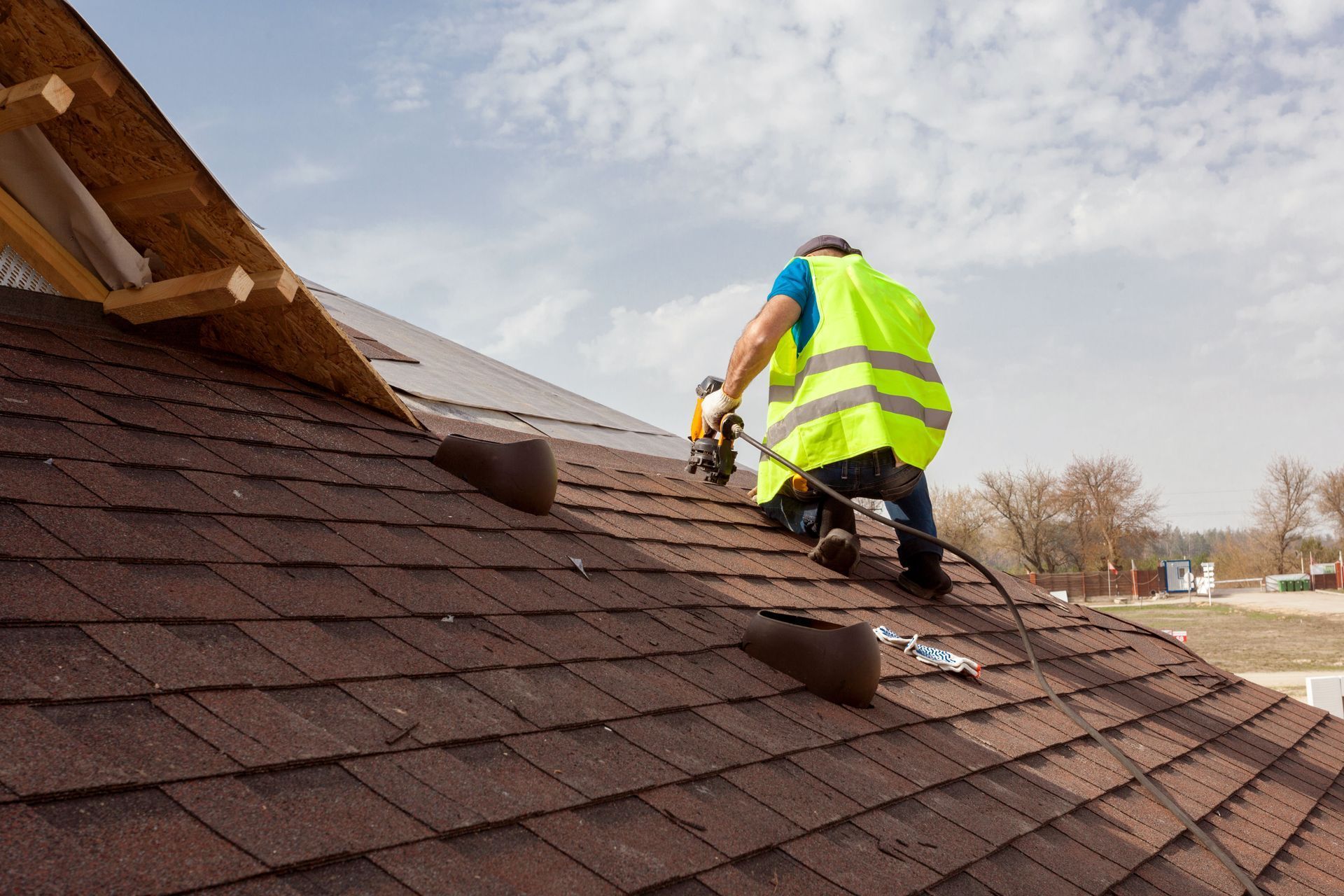
Replacing a roof is one of the most significant investments a homeowner can make to preserve the structural integrity of a building. Beyond the shingles and nails, the preparation phase is vital for a smooth transition. Professional teams follow strict protocols to protect the property and the residents during this process. Careful planning makes the entire experience much more manageable for everyone involved.
Securing the Property Perimeter
Before the first shingle is removed, local roofers focus on creating a safe zone around the foundation of the house. This involves moving patio furniture, potted plants, and decorative statues to a safe distance. By clearing the immediate vicinity, the crew prevents accidental damage from falling debris or misplaced equipment during the teardown. Every item moved is one less potential casualty of the heavy construction phase.
Protection extends to the landscaping and gardens that frame the home. Heavy-duty tarps or specialized plywood structures are often placed over delicate shrubs and flower beds to deflect stray materials. This physical barrier serves as a shield against the heavy impact of old roofing components as they are stripped away from the eaves. Thriving greenery stays vibrant when it is shielded from the physical rigors of a construction site.
Wall ornaments and fragile interior items also require attention during the initial setup. The vibration caused by heavy machinery and constant hammering can travel through the frame of the house. Local roofers recommend that homeowners take down mirrors, framed photos, and loose shelving inside the home to avoid any indoor accidents while the exterior work proceeds. Vibrations often reach surprising levels of intensity during the peak of the hammering process.
Protecting the Exterior Surfaces
The driveway and walkways are vulnerable areas that require specific reinforcement. Crews often lay down large sheets of thick plywood to distribute the weight of heavy dumpsters and supply trucks. This precaution prevents the concrete or asphalt from cracking under the immense pressure of the machinery needed to transport new bundles of shingles. Preserving the smooth finish of a driveway saves the homeowner from expensive masonry repairs later.
Windows and siding are similarly shielded using lean-to structures or plastic sheeting. High-quality teams understand that siding can be easily scratched or dented by sliding debris. By leaning plywood against the most exposed walls, the workers create a slide that directs old materials safely into the disposal bin without touching the house. These temporary barriers act as a vital buffer between the home and falling waste.
According to This Old House, roof renovation, repair, or maintenance projects have been completed within the last three years in around 31% of homes. These projects involve high volumes of waste that must be managed carefully. Professional teams position their collection bins strategically to catch the bulk of the waste, reducing the amount of manual cleanup required on the lawn afterward. Efficient waste management keeps the entire property looking much cleaner throughout the work week.
Managing the Attic Space
The attic is the primary point of contact between the living space and the roof deck. Before work begins, it is common practice to cover stored items with drop cloths or plastic sheeting. Because the removal of old decking creates a significant amount of dust and small wood splinters, covering valuables helps maintain a clean environment below the rafters. Dust has a way of finding its way into every nook and cranny during a tear-off.
Ventilation systems are checked to confirm they are clear of obstructions that might interfere with the new installation. Local roofers inspect the underside of the roof deck for any signs of mold or rot that might require structural repairs before the new layers are applied. Identifying these issues early prevents them from becoming major headaches after the shingles are laid. Airflow remains a top priority for long-term roof health and moisture control.
Lighting and wiring in the attic are also accounted for during the prep phase. Workers must be aware of any electrical conduits that run close to the roof deck to avoid accidental punctures during the nailing process. Taking the time to map out these internal components prevents utility issues and allows the installation to proceed with much greater speed. Safety for the electrical system is just as important as the shingles themselves.
Organizing the Staging Area
Efficiency on a job site depends heavily on how the materials are staged and accessed. Local roofers designate a specific area for the delivery of new shingles, underlayment, and flashing. This area is chosen based on its proximity to the roof and its ability to support the weight of several pallets without sinking into the soil. A logical layout reduces the amount of time workers spend transporting heavy materials across the yard.
Safety equipment is the next priority in the staging process. Ladders are secured at the proper angles, and fall-protection anchors are often installed before the main crew arrives. By establishing these safety benchmarks early, the team can move confidently across the various slopes of the roof without risking injury or delaying the project timeline. Stable equipment serves as the backbone for every successful high-altitude task performed by the crew.
Tool stations are set up to keep the workspace organized and free of tripping hazards. Air compressors, nail guns, and saws are placed in centralized locations where they are easily accessible but out of the primary walking paths. Local roofers maintain a tidy staging area to help the project stay on schedule and to minimize the footprint of the construction on the yard. A clean site reflects a high level of professionalism and attention to detail.
Communicating the Project Timeline
Clear communication regarding the daily schedule helps residents plan their lives around the noise and activity. A lead technician typically walks the homeowner through the expected sequence of events, from the initial tear-off to the final inspection. This dialogue helps set expectations regarding the start times and the duration of the loudest phases of construction. Knowing exactly when the noise starts helps families manage their daily routines more effectively.
Neighbors are often notified about the upcoming work as a courtesy. Since roofing projects involve significant noise and occasionally dust that can travel on the wind, informing those nearby helps maintain good relations. Local roofers often provide their contact information to neighbors so that any concerns regarding property lines or shared driveways can be addressed immediately. Maintaining peace in the neighborhood is a common goal for every professional crew.
The final part of the preparation involves a walkthrough of the emergency procedures and weather contingencies. Crews monitor local forecasts closely to avoid opening a roof when rain is imminent. Having a plan to quickly tarp and secure the site allows the team to react quickly to changing conditions, keeping the interior of the home dry and protected at all times. Being ready for a sudden shift in weather is a hallmark of a seasoned professional.
A successful roofing project relies on a foundation of meticulous preparation and clear communication. By prioritizing property protection and site organization through the guidance of local roofers, the process becomes a streamlined improvement rather than a source of stress. Homeowners who understand these steps can feel confident in the transition to a stronger, more resilient home exterior. Preparedness is the key. Reach out to McLaughlin Contracting LLC to schedule a professional assessment of your home today.